Source Magnetic Easter Pocket Countdown Timer for Kitchen, Travel, and Home
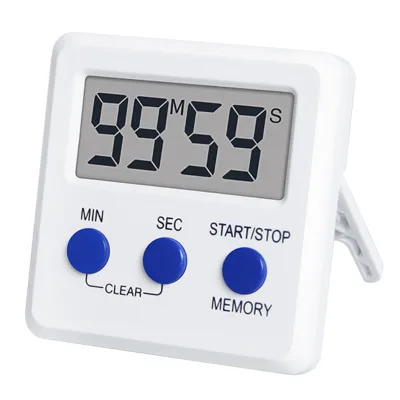
Find and compare 30 magnetic easter pocket countdown timer options for kitchen, travel, and home use. These digital plastic clocks feature battery power, simple styles, and customizable designs to meet your sourcing needs; compare the available evidence and request quotations based on your requirements.
Key considerations
Products List


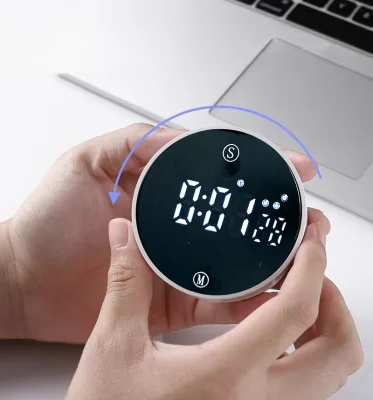


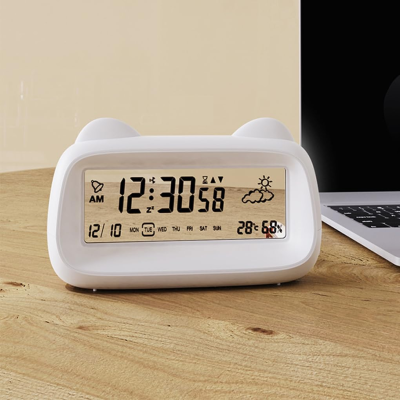
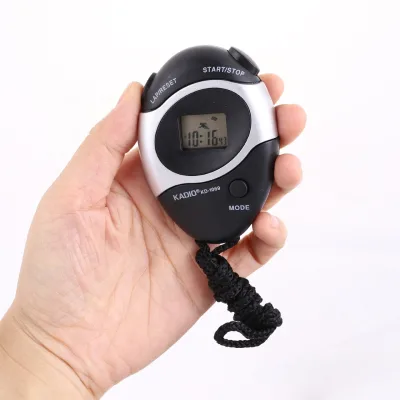
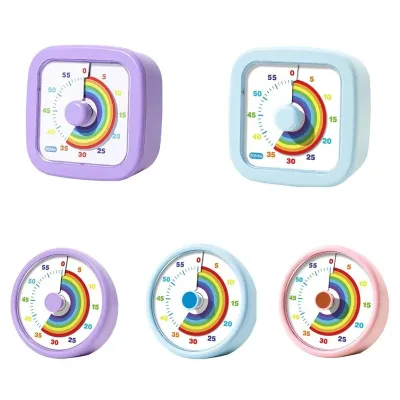
Comprehensive Sourcing Guide
Magnetic Easter Pocket Countdown Timer Sourcing Guide
Sourcing magnetic Easter pocket countdown timers requires balancing festive design elements with reliable mechanical or electronic timing functions. Buyers must distinguish between simple mechanical wind-down timers and digital countdown devices, as the latter often involve more complex supply chains for batteries and circuitry. The "magnetic" aspect suggests a mounting or attachment feature, which may imply use on refrigerators, whiteboards, or metal surfaces during holiday preparations. Understanding the specific movement type is critical, as step movements offer precise ticking, while continuous movements may be quieter but less accurate for short intervals.
Procurement teams should also evaluate the target user profile, which typically includes general consumers looking for kitchen aids or decorative items. The product’s style, often described as simple or customized, influences manufacturing complexity and cost. Customization options allow brands to embed Easter-themed graphics or specific color schemes, but these require minimum order quantities that can impact inventory risk. Buyers need to assess whether the supplier can handle small-batch custom printing or if they must rely on standard stock models with limited branding opportunities.
Product Scope and Observed Listing Signals
The observed market signals indicate a wide range of product models, from basic mechanical timers to advanced digital clocks with projection features. Listings show price points ranging from $0.49 to $45, reflecting significant variation in material quality, feature sets, and brand positioning. The minimum order quantity (MOQ) varies drastically, from as low as 2 units for samples or small batches to 10,000 units for large-scale industrial or promotional orders. This disparity suggests a fragmented supplier base with both small workshops and large manufacturers competing in the same category.
Specific product models observed include the Classic Basic Timer-005R and various TH-series digital clocks, indicating a mix of traditional and modern designs. Some listings highlight features like calendar functions, nightlights, and color-changing capabilities, which appeal to users seeking multifunctional devices. The presence of square and circular clock faces, along with digital display methods, shows that aesthetic preferences drive product selection. Buyers should note that "magnetic" attributes are not universally present in all listed items, requiring careful filtering of search results to find products with the desired attachment mechanism.
Technical Specifications to Verify
Verifying the movement structure is essential, as some products feature alarm systems while others rely on simple countdown mechanisms. Buyers must confirm whether the timer uses a step movement for precise intervals or a different mechanism that might affect accuracy. The power source is another critical specification; many digital models require 2x 1.5V AAA batteries, while mechanical versions may be wind-up. Ensuring compatibility with standard battery types simplifies logistics and reduces the risk of power-related failures in the field.
Dimensions and packing details also play a significant role in procurement decisions. Observed specifications include sizes like 90x65x21mm and 87x57x24mm, which impact packaging efficiency and shelf space. Packing methods vary from individual polybags to neutral boxes or color boxes, depending on the target market’s retail requirements. Buyers should verify if the product includes a calendar feature, as this adds value but also complexity to the internal mechanism. Additionally, confirming the sound type, such as single ring alarms, helps in selecting products suitable for quiet environments like offices or libraries.
Compliance and Safety Documentation
Safety compliance is paramount, especially for products involving batteries and small parts that may be handled by children during Easter celebrations. Buyers must ensure that suppliers provide documentation confirming the absence of ethylene oxide sterilization, which is irrelevant for non-medical items but indicates a baseline of chemical safety awareness. For battery-operated devices, verifying compliance with international battery safety standards, such as UN38.3 for lithium cells or IEC standards for alkaline batteries, is crucial to prevent shipping hazards and user injuries.
Material safety is another key consideration, particularly since many timers are constructed from plastic. Buyers should request material safety data sheets (MSDS) to confirm that the plastics used are free from harmful substances like BPA or phthalates, especially if the product is marketed towards families. Additionally, checking for electrical safety certifications, such as CE or FCC for digital models, ensures that the internal circuits do not pose a risk of overheating or electromagnetic interference. These documents are essential for customs clearance and maintaining brand reputation in regulated markets.
Cost Drivers and Commercial Terms
Cost drivers in this category include the complexity of the movement mechanism, the inclusion of additional features like calendars or nightlights, and the level of customization required. Simple mechanical timers with basic designs will be at the lower end of the price spectrum, while digital models with projection or color-changing features will command higher prices. Customization, such as adding specific Easter graphics or branding, adds tooling and setup costs, which are often reflected in higher MOQs or unit prices.
Commercial terms, particularly MOQs, vary widely and must be aligned with the buyer’s sales forecast. Some suppliers offer low MOQs of 100 units for testing the market, while others require 1,000 or 10,000 units for production runs. Buyers should negotiate flexible terms for initial orders to mitigate inventory risk. Payment terms, lead times, and shipping costs also impact the total landed cost. It is advisable to request detailed quotations that break down unit costs, tooling fees, and shipping expenses to ensure transparency and accurate budgeting.
Supplier Qualification and Quality Control
Supplier qualification should focus on manufacturers with proven experience in producing timing devices and electronic components. Buyers should verify the supplier’s production capacity and quality control processes, including in-line inspections and final random inspections. Given the variation in product models, suppliers with a diverse portfolio may offer better flexibility but require more rigorous vetting to ensure consistency across different product lines. Checking for relevant business licenses and export credentials is also essential to ensure legal compliance.
Quality control measures should include testing for timing accuracy, battery life, and mechanical durability. For digital models, functional tests for display clarity, alarm volume, and button responsiveness are necessary. Buyers should request sample units to perform their own quality assessments before placing bulk orders. Establishing clear quality standards and acceptance criteria in the purchase agreement helps prevent disputes and ensures that the delivered products meet the expected performance levels. Regular audits or third-party inspections can further enhance quality assurance.
Long-Term Procurement Checks
Long-term procurement success depends on maintaining strong relationships with reliable suppliers and continuously monitoring market trends. Buyers should track changes in technology, such as the adoption of more energy-efficient batteries or new digital display technologies, to stay competitive. Regularly reviewing supplier performance metrics, including on-time delivery rates, defect rates, and responsiveness to issues, helps identify potential risks early. Building a diversified supplier base can also mitigate the risk of supply chain disruptions.
Additionally, buyers should stay informed about regulatory changes in key markets, such as new safety standards for electronic devices or restrictions on certain materials. Adapting to these changes proactively ensures continued market access and compliance. Engaging in periodic reviews of product performance and customer feedback can provide insights for future product improvements or new model selections. By maintaining a strategic approach to sourcing, buyers can optimize costs, ensure quality, and meet the evolving needs of their customers in the festive timer market.
FAQs
What movement type do these timers use?
These timers utilize a step movement mechanism for accurate timekeeping. This electronic mechanism ensures reliable performance for general users. The design supports simple operation, making it suitable for home use and travel. The battery power source allows for portable and convenient usage in various settings without requiring external power connections.
Can the product be customized for branding?
Yes, customization is available for these timer products. Buyers can request specific designs to meet their branding requirements. The production process supports tailored specifications, allowing for unique product features. This flexibility helps businesses create distinct items that align with their market strategy and customer expectations effectively.
What is the minimum order quantity for bulk purchase?
The minimum order quantity is typically 100 pieces for standard orders. Some specific models may require a higher MOQ of 1000 pieces. This threshold ensures efficient production and shipping processes. Buyers should verify the exact MOQ for their selected model to plan their inventory and budgeting accordingly for successful procurement.
How are the timers packaged for shipping?
The timers are packaged in individual polybags for standard protection. Some models come in neutral packing or color boxes for retail readiness. This packaging method ensures the products remain secure during transit. The choice of packaging can be adjusted based on buyer requirements to meet specific logistics or retail display needs.
What power source do the digital clocks use?
These digital clocks and timers operate using battery power. Specific models require two 1.5V AAA batteries for operation. This power source ensures portability and ease of use. The battery-powered design allows the devices to function reliably in various environments without the need for constant electrical connections or charging.
Are these timers suitable for industrial use?
Yes, certain models are designed for industrial and multifunctional applications. These timers support functions like counting and electromagnetic switching. They are suitable for kitchen, time counter, and industrial settings. The robust electronic mechanism ensures durability and accuracy in demanding environments where precise time management is critical for operations.